Oncologic Nutrition & Metabolism
⏱️ 12 min read
•
By Phillip Gear & PocketGull Systems Biology Colloquium
Metabolic Armor: Pancreatic Enzyme Precision, MCT Bioenergetics & Anti-Catabolic Nutrition in Cancer Cachexia
How to combat systemic tumor-induced hypercatabolism and exocrine insufficiency. Practical strategies for synchronizing pancreatic enzyme replacement therapy (PERT), medium-chain triglyceride absorption, and sensory parasympathetic soothing.
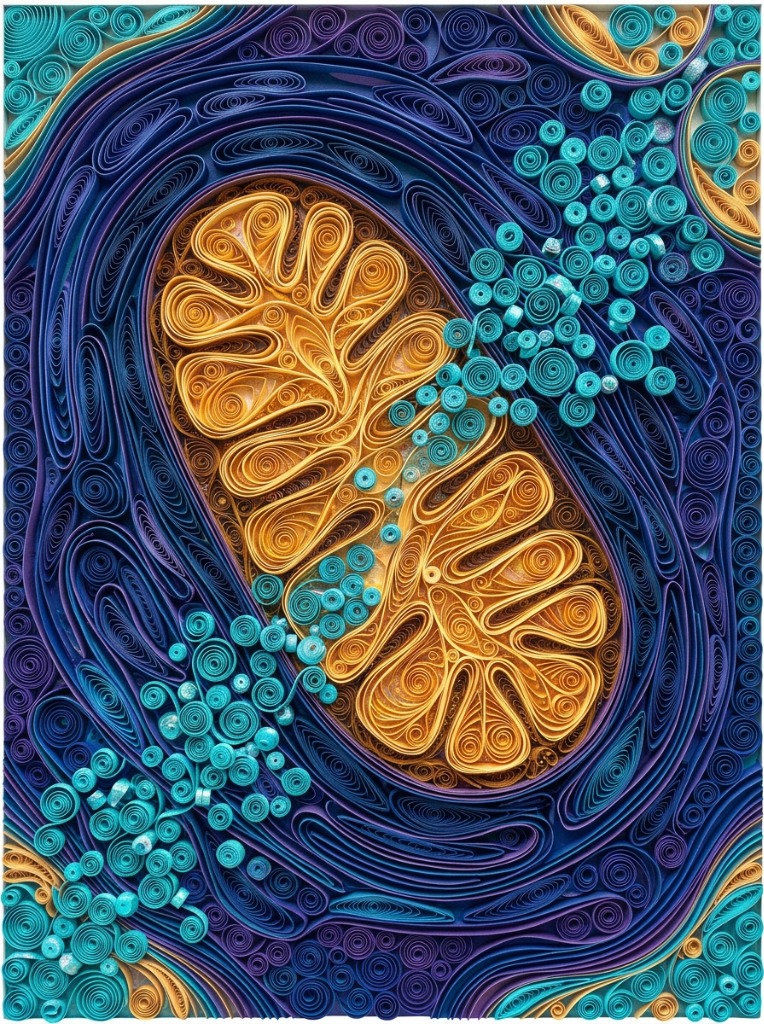
Mitochondrial Cristae Bioenergetics & Sarcopenic Muscle Sparing
Systemic Catabolic Reversal & Skeletal Muscle Sparing — Restoring intestinal macronutrient absorption via targeted pancrelipase, providing rapid MCT ketone energy, and arresting pro-inflammatory cytokine-driven lean muscle wasting.
The Silent Drain: Tumor Metabolism and Involuntary Sarcopenia
Cancer-associated cachexia is not simple starvation; it is an aggressive, cytokine-driven hypermetabolic state mediated by tumor necrosis factor-alpha (TNF-α), interleukin-6 (IL-6), and proteolysis-inducing factor (PIF). Skeletal muscle protein and adipose stores are catabolized systematically, driving rapid weight loss and severe fatigue.
In pancreatic head malignancies, this metabolic drain is multiplied by mechanical obstruction of the main pancreatic duct, resulting in profound Pancreatic Exocrine Insufficiency (PEI). Without sufficient lipase, protease, and amylase reaching the duodenum, dietary fats and fat-soluble vitamins (A, D, E, K) pass through unabsorbed, causing malabsorptive steatorrhea and compounding weight loss.
The Art of Enzyme Timing: Synchronizing PERT Therapy
Prescribed Pancreatic Enzyme Replacement Therapy (PERT, e.g., Creon, Zenpep) fails in up to 50% of patients due to simple timing errors. Because exogenous enteric-coated pancrelipase microspheres must mix intimately with chyme in the gastric antrum before entering the duodenum, taking capsules after a meal allows the food bolus to pass through un-digested.
Clinical best practice mandates fractionating enzyme doses: taking one capsule with the very first bite of food, one in the middle of the meal, and one with the final bite. Furthermore, maintaining gastric pH above 5.5 prevents premature acid inactivation of lipase.
Medium-Chain Triglycerides: The Direct Portal Vein Bypass
Unlike long-chain dietary fats that require bile salt emulsification and pancreatic lipase breakdown into chylomicrons, Medium-Chain Triglycerides (MCTs, C8 and C10) are directly absorbed across the enterocyte apical membrane into the portal vein. Incorporating organic virgin coconut and pure C8 oils provides dense, bioavailable caloric fuel that preserves lean body mass without triggering steatorrhea.
The Silent Drain: Tumor Metabolism and Involuntary Sarcopenia
Cancer-associated cachexia is not simple starvation; it is an aggressive, cytokine-driven hypermetabolic state mediated by tumor necrosis factor-alpha (TNF-α), interleukin-6 (IL-6), and proteolysis-inducing factor (PIF). Skeletal muscle protein and adipose stores are catabolized systematically, driving rapid weight loss and severe fatigue.
In pancreatic head malignancies, this metabolic drain is multiplied by mechanical obstruction of the main pancreatic duct, resulting in profound Pancreatic Exocrine Insufficiency (PEI). Without sufficient lipase, protease, and amylase reaching the duodenum, dietary fats and fat-soluble vitamins (A, D, E, K) pass through unabsorbed, causing malabsorptive steatorrhea and compounding weight loss.
The Art of Enzyme Timing: Synchronizing PERT Therapy
Prescribed Pancreatic Enzyme Replacement Therapy (PERT, e.g., Creon, Zenpep) fails in up to 50% of patients due to simple timing errors. Because exogenous enteric-coated pancrelipase microspheres must mix intimately with chyme in the gastric antrum before entering the duodenum, taking capsules after a meal allows the food bolus to pass through un-digested.
Clinical best practice mandates fractionating enzyme doses: taking one capsule with the very first bite of food, one in the middle of the meal, and one with the final bite. Furthermore, maintaining gastric pH above 5.5 prevents premature acid inactivation of lipase.
Medium-Chain Triglycerides: The Direct Portal Vein Bypass
Unlike long-chain dietary fats that require bile salt emulsification and pancreatic lipase breakdown into chylomicrons, Medium-Chain Triglycerides (MCTs, C8 and C10) are directly absorbed across the enterocyte apical membrane into the portal vein. Incorporating organic virgin coconut and pure C8 oils provides dense, bioavailable caloric fuel that preserves lean body mass without triggering steatorrhea.
🌱 6th Grade "Teaspoon" Plain Language Edition
Feeding the Body When Digestion Needs a Helping Hand
Your pancreas is a small, hard-working organ tucked behind your stomach. It makes natural digestive juices—like special microscopic scissors—that chop up our food so our bodies can absorb energy and stay strong.
When the pancreas is having a hard time or is blocked by an illness, those natural scissors can't reach our food. Even if you eat nutritious meals, the food passes right through without giving you its strength, causing weight loss and feeling tired.
Here is how we bring strength back:
- Taking Enzyme Helpers at the Right Time: Doctor-prescribed enzyme capsules work best when taken with your very first bite of food, so they can mix in and help chop up nutrients right away.
- Easy-to-Absorb Healthy Oils: Gentle oils like virgin coconut oil don't need digestive juices to be absorbed; they soak directly into your body to give you instant, lasting energy.
- Peaceful Arts & Crafts: Calming creative hobbies like floating water inks or caring for tiny terrariums soothe the belly and help you feel relaxed before eating.
Scholarly Marginalia & Peer Review Ledger
Annotate in the margins, highlight excerpts, critique mechanisms, or explore our physical-feel Grading Pen to write, circle, and stamp your peer-review remarks.
📸 How to Snapshot Text into the Margins: